 Victor EmokpareProduct designer

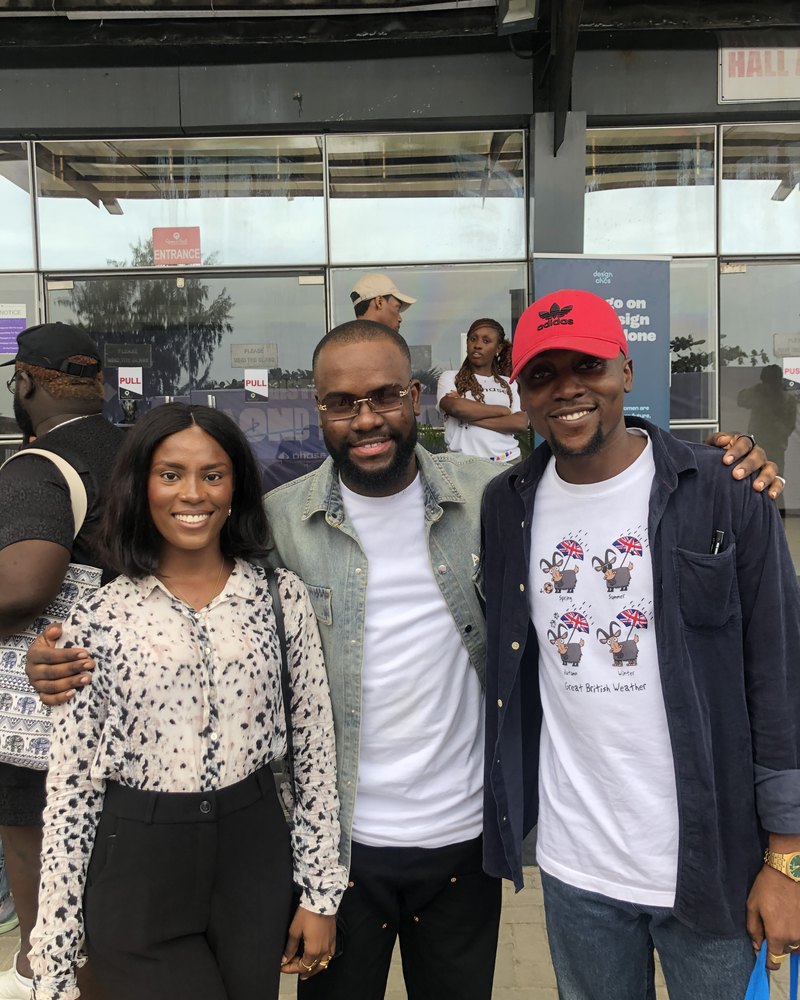



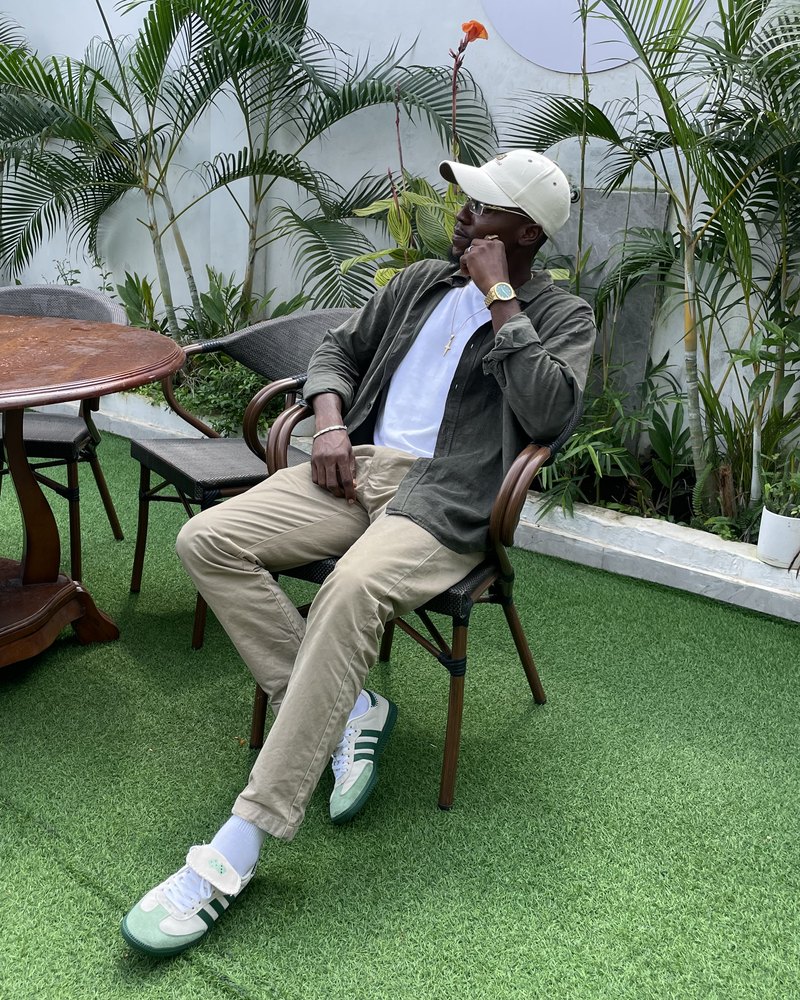
Hi, I'm Victor.
I was born in Nigeria and studied meteorology at university. It wasn't an easy course: physics, mathematics and chemistry, all to make sense of systems you can't see directly. You learn to read charts and data, spot patterns and work out what's driving what. That's where I found my love for complexity.
During my degree I found fashion design . I learned the craft and went on to run a bespoke fashion business for five years. That love of making things is what led me to product design.
Like a lot of designers, I started out obsessed with craft, fascinated by how much has to go right for a complex system to hold together. Interfaces and design systems were what teams relied on me for. The more products I worked on, including ThriftNest, which I co-founded, the more I leaned towards strategy: what to build, for whom and why. That's how I fell for complex SaaS products, full of roles, rules and data. Meteorology all over again, just with software.
Luckily, I then joined a product studio that works mostly on complex SaaS and enterprise products. Today that's my job: making complicated products easy to use, and easy to build. It's also why I'm learning business analysis : to get the requirements as right as the screens.
Design philosophy
A few beliefs have stuck with me along the way.
- 01
Systems before screens.
Roles, rules and failure states decide whether a product works. I settle those first, and the interface gets simpler because of it.
- 02
Guide, don't overwhelm.
At every step, people should know where they are, what just happened and what their next action will change, without memorising the product.
- 03
Design for the build, not the review.
A design isn't finished when it looks right. It has to fit the build and hold up in real use, so I design the states, edge cases and handoff too.
Outside work
Family
My wife and our daughter. The most important part of the story, and the one I don't need to turn into a design lesson.
The gym
A regular reminder that progress is mostly repetition.
Taekwondo

I'm a red belter, and I train with my daughter on weekends.
On repeat
I'm a music addict, and there's nearly always something playing. Pick a record from the crate and it goes on the deck. 1 of 3Hover to load Open in Spotify ↗
Message board
Before you go, leave a note. Pick a blue, write something and pin it to the board. Click a note to read it, or drag it somewhere else.
Ctrl or ⌘ + Enter to pin
Connect
Still curious. Still learning. Still trying to make things easier to understand.